Proposed Rule Literature Cited - See Attachments
Docket document2023-07-19 · FWS · other · FWS-R4-ES-2022-0164-0002
Original sourcePDF at sourcePDF at sourceAttachment at sourceAttachment at sourceAttachment at sourceAttachment at sourceAttachment at sourceAttachment at sourceAttachment at sourceAttachment at sourceAttachment at sourceAttachment at sourceAttachment at sourceAttachment at sourceAttachment at sourceAttachment at sourceAttachment at sourceAttachment at sourceAttachment at sourceAttachment at sourceAttachment at sourceAttachment at sourceAttachment at sourceAttachment at sourceAttachment at sourceAttachment at sourceAttachment at sourceAttachment at sourceAttachment at sourceAttachment at sourceAttachment at sourceAttachment at sourceAttachment at sourceAttachment at sourceAttachment at sourceAttachment at sourceAttachment at sourceAttachment at sourceAttachment at sourceAttachment at source
Other documents for the same rulemaking (all, by stage)
References: 11,204 extracted, 0 linked to papers
Page 47Download these results: CSV · JSON
Commission, Tallahassee, FL. Smith-Castro, J.R. and A.D. Rodewald. 2010. Behavioral responses of nesting birds to human disturbance along recreational trails. Journal of Field Ornithology 81(2):130–138. B-114
journal articleNot linked to a paper · refsec
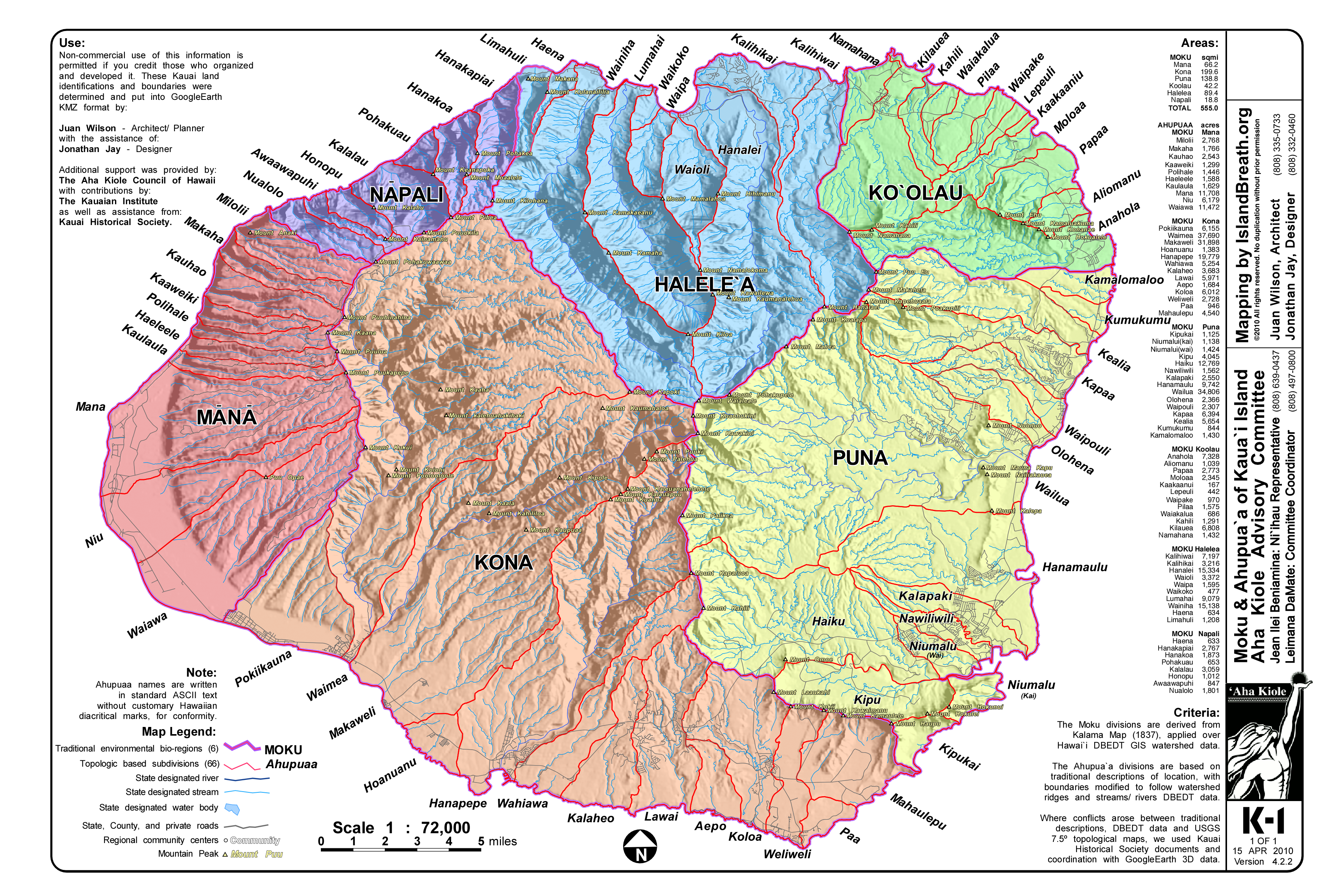
Wilson, J. and J. Jay. 2010. Moku & Ahupuaa of Kaua‘i Island Aha Kiole Advisory Committee. Mapping by IslandBreath. Available at http://www.islandbreath.org/2010Year/04/100415kauaimokupuni.png.
Kitaysky, A., M. Benowitz-Fredericks, Z. Kitaiskaia, M. Shultz, and B. Zaun. 2003. Effects of Tourist Disturbance on Stress Physiology of Wedge-tailed Shearwater (Puffinus pacificus) Chicks at Kīlauea Point National Wildlife Refuge, Kaua‘i, HI. Report for the pilot study. Unpublished refuge report. B-130
research reportNot linked to a paper · refsec
Studies, CA. USFWS (U.S. Fish and Wildlife Service). 2006. National Register of Historic Places Inventory – Nomination Form. Supplementary listing record for Kīlauea Point Light Station. B-132
research reportNot linked to a paper · refsec
Abraham, K. 2001. Interactions between dogs and wildlife in parks on the Berkeley Marina. Unpublished report, submitted to Berkeley Parks and Recreation. Available at: http://istsocrates.berkeley.edu/~es196/projects/2001final/Abraham.pdf.
Banks, P.B. and J.V. Bryant. 2007. Four-legged friend or foe? Dog walking displaces native birds from natural areas. Biology Letters 3, 611–613.
research reportNot linked to a paper · refsec
Braun R.C. 2003. Handling Risks and Disease Considerations of Hawaiian Monk Seals in the Main Hawaiian Islands. In Final Report, Workshop on the Management of Hawaiian Monk Seals on Beaches in the Main Hawaiian Islands. Cosponsored by Marine Mammal Commission, National Marine Fisheries Service, and Hawai‘i Division of Aquatic Resources. Koloa, Kaua‘i, HI. Hawai‘i Department of Land and Natural Resources. 2013a. Kaua‘i south shore shearwater colony decimated by dogs and cats. Available at: http://dlnr.hawaii.gov/blog/2013/09/18/nr13-114/. Accessed August 4, 2014. Hawai‘i Department of Land and Natural Resources. 2013b. DLNR issues plea to dog owners as returning albatross are slaughtered. Available at: http://dlnr.hawaii.gov/blog/2013/12/13/nr13-169/. Accessed August 4, 2014. Jones and Stokes Associates. 1977. Dog depredation on wildlife and livestock in California. California Department of Fish and Game. Jones & Stokes. Sacramento, CA. 64 pp.
Knight, R.L. and D. N. Cole. 1995. Wildlife Responses to Recreationists. In Wildlife and Recreationists: Coexistence through Management and Research. Ed by R.L. Knight and K.J. Guzwiller. Island Press, Washington, DC. 51–69.
research reportNot linked to a paper · refsec
MMC, NMFS, and HDAR (Marine Mammal Commission, National Marine Fisheries Service, and Hawai‘i Division of Aquatic Resources). 2003. Appendix 1, Terms of Reference. In Final Report, Workshop on the Management of Hawaiian Monk Seals on Beaches in the Main Hawaiian Islands. Cosponsored by Marine Mammal Commission, National Marine Fisheries Service, and Hawai‘i Division of Aquatic Resources. Koloa, Kaua‘i, HI.
research reportNot linked to a paper · refsec
Sime, C.A. 1999. Domestic dogs in wildlife habitats. Pages 8.1–8.17 in: G. Joslin and H. Youmans, coordinators. Effects of recreation on Rocky Mountain wildlife: a review for Montana. Committee on Effects of Recreation on Wildlife, Montana Chapter of the Wildlife Society. B-140
research reportNot linked to a paper · refsec
Thomas, K. 2000. The Effects of Human Activity on the Foraging Behavior of Sanderlings (Calidris alba). A Capstone Project Presented to the Faculty of Earth Systems Science and Policy in the Center for Science, Technology, and Information Resources at California State University, Monterey Bay,
journal articleNot linked to a paper · refsec
Facilities, equipment, and vehicle maintenance plan (includes rotation); Safety plan; Visitor Services plan (KNWRC-wide); Inventory and monitoring plan (2017);
research reportNot linked to a paper · refsec
ES, KPNHA, grants DM, 1113(ES) Obj. 1.3 and 3.3: Conduct a road and trail assessment and analysis and identify problem areas (e.g., accelerated erosion, compaction) and solutions (e.g., water bars, erosion matting, revegetation) Obj. 1.3 and 3.1: Design and implement a monitoring program for 1–2 indicator species (e.g., ‘ā) to detect natural or anthropogenic variation in habitat conditions Obj. 3.1: Within 1 year, map type and status of all fences and gates (2016) Obj. 3.1: Within first 2–3 years, re-evaluate, develop, or initiate Refuge-specific monitoring plans (protocols, sample designs, and databases) for high-priority taxa (e.g., listed, highly pest, or indicator species, species/species groups of regional concern) within the regional I&M framework; work with USGS Biological Resources Discipline, universities, and other partners to develop efficient systems for synthesis, analysis, and reporting of Refuge monitoring data (2017) Obj. 3.1: Within first 2 years, design and conduct a vegetation monitoring program that will allow for assessment in reaching habitat management objectives (2017) Obj. 3.1: Within first 5 years, conduct a comprehensive inventory of plants, invertebrates, and vertebrates occurring at the Refuge. Use initial inventories as baseline data to assess past and future changes in plant and animal communities
research reportNot linked to a paper · refsec
Paul, R. Phillips, J.E. Saliva, B. Sydeman, J. Trapp, J. Wheeler, and K. Wohl. 2002. Waterbird conservation for the Americas: the North American waterbird conservation plan, version 1. Waterbird Conservation for the Americas. Washington, D.C. 78 pp. http://www.waterbirdconservation.org/nawcp.html.
Mitchell, C., C. Ogura, D.W. Meadows, A. Kane, L. Strommer, S. Fretz, D. Leonard, and A. McClung. 2005. Hawaiʻi’s comprehensive wildlife conservation strategy. Department of Land and Natural Resources, Honolulu, HI. 722 pp. NatureServe. 2014. NatureServe explorer: an online encyclopedia of life [web application]. Version 7.1. http://www.natureserve.org/explorer.
NAWMP (North American Waterfowl Management Plan) Plan Committee. 2004. North American waterfowl management plan 2004. Strategic guidance: strengthening the biological foundation. Canadian Wildlife Service, U.S. Fish and Wildlife Service, Secretaria de Medio Ambiente y Recursos Naturales. 22 pp.
government reportNot linked to a paper · refsec
NMFS (National Marine Fisheries Service) and USFWS (U.S. Fish and Wildlife Service). 1998a Recovery plan for U.S. Pacific populations of the green turtle (Chelonia mydas). National Marine Fisheries Service, Silver Spring, MD. 97 pp.
government reportNot linked to a paper · refsec
NMFS and USFWS. 1998b Recovery plan for U.S. Pacific populations of the hawksbill turtle (Eretmochelys imbricata). National Marine Fisheries Service, Silver Spring, MD. 95 pp.
research reportNot linked to a paper · refsec
PIF (Partners in Flight). 2010. Species assessment database. http://www.rmbo.org/pif/scores/scores.html.
USFWS (U.S. Fish and Wildlife Service). 1983. Hawaiian dark-rumped petrel and Newell’s manx shearwater recovery plan. U.S. Department of the Interior, Fish and Wildlife Service, Region 1.
government reportNot linked to a paper · refsec
Portland, OR. 61 pp. USFWS. 1995. Recovery plan for the Kaua‘i plant cluster. U.S. Department of the Interior, Fish and Wildlife Service, Region 1. Portland, OR. 270 pp.
research reportNot linked to a paper · refsec
USFWS. 2008a. Birds of conservation concern 2008. U.S. Department of Interior, Fish and Wildlife
research reportNot linked to a paper · refsec
USFWS. 2009. Revised recovery plan for the Laysan duck (Anas laysanensis). U.S. Department of the Interior, Fish and Wildlife Service, Region 1. Portland, OR. 127 pp.
research reportNot linked to a paper · refsec
USFWS. 2010. Identifying resources of concern and management priorities for a refuge: A handbook. United States Department of the Interior, U.S. Fish and Wildlife Service, National Wildlife Refuge System. 61 pp.
research reportNot linked to a paper · refsec
USFWS. 2011a. Recovery plan for Hawaiian waterbirds, second revision. U.S. Department of the
research reportNot linked to a paper · refsec
USFWS. 2011b. Birds of management concern. U.S. Department of the Interior, Fish and Wildlife
research reportNot linked to a paper · refsec
USFWS. 2014. Endangered species in the Pacific Islands. http://www.fws.gov/pacificislands/teslist.html. E-10
National Environmental Policy Act (1969). The planning process has been conducted in accordance with NEPA Implementing Procedures, Department of the Interior and Service procedures, and has been performed in coordination with the affected public. An environmental assessment (EA) was prepared that integrated the CCP into the NEPA document and process. The draft CCP/EA was released for a 44-day public comment period. The affected public was notified of the availability of the draft CCP/EA through a Federal Register notice, news release to local media outlets, the Service’s Refuge and Refuge planning websites, and a planning update. Copies of the draft CCP/EA and/or planning update were distributed to an extensive mailing list. The CCP is programmatic in many respects and specific details of certain projects and actions cannot be determined until a later date, depending on funding and implementation schedules. Certain projects or actions may require additional NEPA compliance.
research reportNot linked to a paper · refsec
National Historic Preservation Act (1966). Implementation of the CCP should not affect cultural resources. The Service will comply with the NHPA if any management actions have the potential to affect any historic properties which may be present.
research reportNot linked to a paper · refsec
Appendix F. Statement of Compliance Kilauea Point National Wildlife Refuge Comprehensive Conservation Plan National Wildlife Administration Act of 1966, as amended by The National Wildlife Refuge System Improvement Act of 1997 (16 U.S.C. 668dd-668ee). Appropriate Use Findings and Compatibility Determinations have been prepared and can be found under Appendices A and B of this CCP. Wilderness Act. The Service has evaluated the suitability of the Refuge for wilderness designation and recommended no wilderness study. Date
research reportNot linked to a paper · refsec
RQ = EEC/Toxicological Endpoint The level of risk associated with direct effects of pesticide use would be characterized by comparing calculated RQs to the appropriate Level of Concern (LOC) established by USEPA (1998 [Table G2]). The LOC represents a quantitative threshold value for screening potential adverse effects to fish and wildlife resources associated with pesticide use. The following are four exposure-species group scenarios that would be used to characterize ecological risk to fish and wildlife on the Refuge: acutelisted species, acute-nonlisted species, chronic-listed species, and chronic-nonlisted species. Acute risk would indicate the potential for mortality associated with short-term dietary exposure to pesticides immediately after an application. For characterization of acute risks, median values from LC50 and LD50 tests would be used as toxicological endpoints for RQ calculations. In contrast, chronic risks would indicate the potential for adverse effects associated with long-term dietary exposure to pesticides from a single application or multiple applications over time (within a season and over years). For characterization of chronic risks, the no observed concentration (NOAEC) or no observed effect concentration (NOEC) for reproduction would be used as toxicological endpoints for
research reportNot linked to a paper · refsec
PUP would be approved at a lower application rate to minimize/eliminate unacceptable risk to aquatic organisms (RQ=LOC). Table G-4. Estimated Environmental Concentrations (ppb) of Pesticides in Aquatic Habitats (1 foot depth) Immediately after Direct Application (Urban and Cook 1986) Lbs/acre 0.10 0.20 0.25
datasetNot linked to a paper · refsec
USEPA risk assessment protocols. Research suggests <15% of the diet can consist of incidentally ingested soil depending upon species and feeding strategy (Beyer et al. 1994). An assessment of pesticide concentrations in soil compared to food item categories in the Kanaga nomogram indicates incidental soil ingestion would not likely increase dietary exposure to pesticides. Inclusion of soil into the diet would effectively reduce the overall dietary concentration compared to the present assumption that the entire diet consists of a contaminated food source (Fletcher et al. 1994). An exception to this may be soil-applied pesticides in which exposure from incidental ingestion of soil may increase. Potential for pesticide exposure under this assumption may be underestimated for soil-applied pesticides and overestimated for foliar-applied pesticides. The concentration of a pesticide in soil would likely be less than predicted on food items. Exposure through inhalation of pesticides is not considered in the USEPA risk assessment protocols. Such exposure may occur through three potential sources: spray material in droplet form at time of application, vapor phase with the pesticide volatilizing from treated surfaces, and airborne particulates (soil, vegetative matter, and pesticide dusts).
research reportNot linked to a paper · refsec
The USEPA (1990) reported exposure from inhaling spray droplets at the time of application is not an appreciable route of exposure for birds. According to research on mallards and bobwhite quail, respirable
research reportNot linked to a paper · refsec
Appendix G. Integrated Pest Management G-27 Kīlauea Point National Wildlife Refuge Comprehensive Conservation Plan they apply pesticides. Certification training includes the safe storage, transport, handling, and mixing of pesticides; equipment calibration; and proper application with annual continuing education. The USEPA relies on Fletcher (1994) for setting the assumed pesticide residues in wildlife dietary items.
research reportNot linked to a paper · refsec
The USEPA (2004) “believes that these residue assumptions reflect a realistic upper-bound residue estimate, although the degree to which this assumption reflects a specific percentile estimate is difficult to quantify.” Fletcher’s (1994) research suggests that the pesticide active ingredient residue assumptions used by the USEPA represent a 95th percentile estimate. However, research conducted by Pfleeger et al. (1996) indicates USEPA residue assumptions for short grass was not exceeded. Baehr and Habig (2000) compared
research reportNot linked to a paper · refsec
Forest Service (2005) found that mixtures of pesticides used in land (forest) management likely would not cause additive or synergistic effects to non-target species based upon a review of scientific literature regarding
research reportNot linked to a paper · refsec
TOXLINE (a literature searching tool). Material Safety Data Sheets (MSDSs) from pesticide suppliers. Other sources such as the Farm Chemicals Handbook. Because there is a lack of specific inert toxicological data, inert(s) in a pesticide may cause adverse ecological effects. However, inert ingredients typically represent only a small percentage of the pesticide spray mixture, and it would be assumed that negligible effects would be expected to result from inert ingredient(s). Although the potential effects of degradates should be considered when selecting a pesticide, it is beyond the scope of this assessment process to consider all possible breakdown chemicals of the various product formulations containing an active ingredient. Degradates may be more or less mobile and more or less hazardous in the environment than their parent pesticides (Battaglin et al. 2003). Differences in environmental behavior (e.g., mobility) and toxicity between parent pesticides and degradates would make assessing potential degradate effects extremely difficult. For example, a less
journal articleNot linked to a paper · refsec
DC. (http://www.pwrc.usgs.gov/contaminants-online/) 17. One-liner database. 2000. U.S. Environmental Protection Agency, Office of Pesticide
Baehr, C.H. and C. Habig. 2000. Statistical evaluation of the UTAB database for use in terrestrial nontarget organism risk assessment. Presentation at the American Society for Testing and Materials (ASTM) Tenth Symposium on Environmental Toxicology and Risk Assessment, April 2000,
datasetNot linked to a paper · refsec
Toronto, Canada. Baker, J. and G. Miller. 1999. Understanding and reducing pesticide losses. Extension Publication
research reportNot linked to a paper · refsec
BLM (Bureau of Land Management). 2007. Vegetation treatments using herbicides on Bureau of Land Management Lands in 17 western states Programmatic EIS (PEIS). Bureau of Land Management. Washington, D.C. 539 pp.
government reportNot linked to a paper · refsec
Hobbs, M. Pellant, and D. Pyke. 2004. Effects of invasive alien plants on fire regimes. BioScience 54:77-88. G-50
journal articleNot linked to a paper · refsec
Butler, T., W. Martinkovic, and O.N. Nesheim. 1998. Factors influencing pesticide movement to ground water. Extension Publication PI-2, University of Florida, Cooperative Extension Service,
research reportNot linked to a paper · refsec
Gainesville, FL. 4 pp. Calabrese, E.J. and L.A. Baldwin. 1993. Performing ecological risk assessments. Chelsea, MI: Lewis Publishers.
research reportNot linked to a paper · refsec
Center, T.D., J.H. Frank, and F.A. Dray, Jr. 1997. Biological control. Pages 245-263 in: D.
research reportNot linked to a paper · refsec
Fletcher, J.S., J.E. Nellessen, and T.G. Pfleeger. 1994. Literature review and evaluation of the EPA food-chain (Kanaga) nomogram, and instrument for estimating pesticide residue on plants. Environmental Toxicology and Chemistry 13:1381-1391.
journal articleNot linked to a paper · refsec
Huddleston, J.H. 1996. How soil properties affect groundwater vulnerability to pesticide contamination. EM 8559. Oregon State University Extension Service. Corvallis, OR. 4 pp.
research reportNot linked to a paper · refsec
Maxwell, B.D., E. Lehnhoff, and L.J. Rew. 2009. The rationale for monitoring invasive plant populations as a crucial step for management. Invasive Plant Science and Management 2:1-9.
journal articleNot linked to a paper · refsec
Morse, L.E., J.M. Randall, N. Benton, R. Hiebert, and S. Lu. 2004. An invasive species assessment protocol: evaluating nonnative plants for their impact on biodiversity. Version 1. NatureServe,
research reportNot linked to a paper · refsec