Proposed Rule Literature Cited - See Attachments
Docket document2023-07-19 · FWS · other · FWS-R4-ES-2022-0164-0002
Original sourcePDF at sourcePDF at sourceAttachment at sourceAttachment at sourceAttachment at sourceAttachment at sourceAttachment at sourceAttachment at sourceAttachment at sourceAttachment at sourceAttachment at sourceAttachment at sourceAttachment at sourceAttachment at sourceAttachment at sourceAttachment at sourceAttachment at sourceAttachment at sourceAttachment at sourceAttachment at sourceAttachment at sourceAttachment at sourceAttachment at sourceAttachment at sourceAttachment at sourceAttachment at sourceAttachment at sourceAttachment at sourceAttachment at sourceAttachment at sourceAttachment at sourceAttachment at sourceAttachment at sourceAttachment at sourceAttachment at sourceAttachment at sourceAttachment at sourceAttachment at sourceAttachment at sourceAttachment at source
Other documents for the same rulemaking (all, by stage)
References: 11,204 extracted, 0 linked to papers
Page 46Download these results: CSV · JSON
Thurston, E. and R.J. Reader. 2001. Impacts of Experimentally Applied Mountain Biking and Hiking on Vegetation and Soil of a Deciduous Forest. Environmental Management Vol. 27, No. 3, 397–409.
research reportNot linked to a paper · refsec
Vandeman, M.J. 1997. The Effects of Mountain Biking on Wildlife and People—Why Off-Road Bicycling Should be Prohibited. http://www.imaja.com/as/environment/mvarticles/MountainBikeEffects.html.
Weaver, T. and D. Dale. 1978. Trampling Effects of Hikers, Motorcycles, and Horses in Meadows and Forests. Journal of Applied Ecology 15 451–457.
journal articleNot linked to a paper · refsec
Wilson, J.P. and J.P. Seney. 1994. Erosional Impact of Hikers, Horses, Motorcycles, and Off-Road Bicycles on Mountain Trails in Montana. Mountain Research and Development Vol. 14, No. 1.
research reportNot linked to a paper · refsec
Wimpey, J. 2010. Environmental Impacts of Mountain Biking: Science Review and Best Practices. PowerPoint presentation at International Mountain Biking Association Summit 2010, Augusta, GA. A-16
journal articleNot linked to a paper · refsec
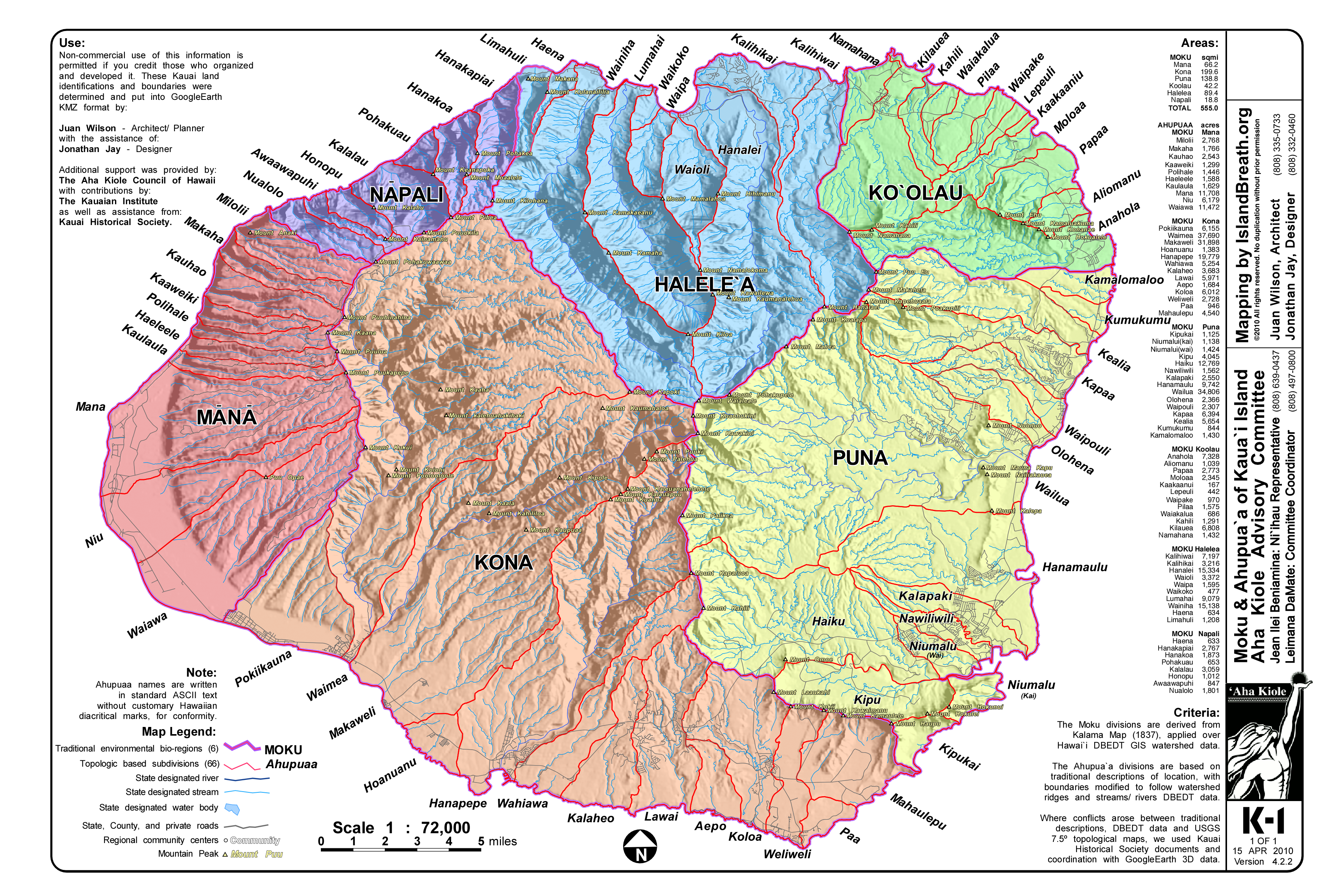
Wilson, J. and J. Jay. 2010. Moku & Ahupuaa of Kaua‘i Island Aha Kiole Advisory Committee. Mapping by IslandBreath. http://www.islandbreath.org/2010Year/04/100415kauaimokupuni.png.
Baker, J.D. and T.C. Johanos. 2003. Distribution and Abundance of Hawaiian Monk Seals in the Main Hawaiian Islands. In Final Report, Workshop on the Management of Hawaiian Monk Seals on Beaches in the Main Hawaiian Islands. Cosponsored by Marine Mammal Commission, National Marine Fisheries Service, and Hawai‘i Division of Aquatic Resources. Koloa, Kaua‘i, HI.
research reportNot linked to a paper · refsec
Beale, C.M. and P. Monaghan. 2004. Human disturbance: people as predation-free predators? British Ecological Society, Journal of Applied Ecology 41, 335–343.
journal articleNot linked to a paper · refsec
Belanger, L. and J. Bedard. 1990. Energetic cost of man-induced disturbance to staging snow geese. Journal of Wildlife Management 54:36.
journal articleNot linked to a paper · refsec
Blanc, R., M. Guillemain, J-B. Mouronval, D. Desmonts, and H. Fritz. 2006. Effects of NonConsumptive Leisure Disturbance to Wildlife. Rev. Ecol. (Tierre Vie) Vol. 61, 117–133.
research reportNot linked to a paper · refsec
Cline, R., N. Sexton, and S.C. Stewart. 2007. A Human-Dimensions Review of Human-Wildlife Disturbance: A Literature Review of Impacts, Frameworks, and Management Solutions. U.S. Geological Survey Open-File Report 2007-1111. Reston, VA.
journal articleNot linked to a paper · refsec
DeLong, A.K. 2002. Managing Visitor Use & Disturbance of Waterbirds – A Literature Review of Impacts and Mitigation Measures – Prepared for Stillwater National Wildlife Refuge. U.S. Fish and Wildlife Service, Portland, OR.
journal articleNot linked to a paper · refsec
Gilmartin, W.G. 2003. Responses of Monk Seals to Human Disturbance and Handling. In Final
research reportNot linked to a paper · refsec
Holmes, N., M. Giese, and L.K. Kriwoken. 2005. Testing the minimum approach distance guidelines for incubating Royal penguins Eudyptes schlegeli. Biological Conservation 126, 339–350.
research reportNot linked to a paper · refsec
Holmes, N.D., M. Giese, and L.K. Kriwoken. 2007. Linking Variation in Penguin Responses to Pedestrian Activity for Best Practise Management on Subantartic Macquarie Island. Polarforschung 77 (1), 7–15.
research reportNot linked to a paper · refsec
Jungius V.H. and U. Hirsch. 1979. Herzfrequenzänderungen bei Brutvögeln in Galapagos als Folge von Störungen durch Besucher. Journal für Ornithologie 120, S. 299–310.
journal articleNot linked to a paper · refsec
Kitaysky, A., M. Benowitz-Fredericks, Z. Kitaiskaia, M. Shultz, and B. Zaun. 2003. Effects of Tourist Disturbance on Stress Physiology of Wedge-tailed Shearwater (Puffinus pacificus) Chicks at Kīlauea Point National Wildlife Refuge, Kaua‘i, HI. Report for the pilot study. Unpublished refuge report. B-18
research reportNot linked to a paper · refsec
Knight, R.L. and D. N. Cole. 1995a. Wildlife Responses to Recreationists. In Wildlife and Recreationists: Coexistence through Management and Research. Ed by R.L. Knight and K.J. Guzwiller. Island Press, Washington, DC. 51–69.
research reportNot linked to a paper · refsec
Knight, R.L. and D. N. Cole. 1995b. Factors that Influence Wildlife Responses to Recreationists. In Wildlife and Recreationists: Coexistence through Management and Research. Ed by R.L. Knight and K.J. Guzwiller. Island Press, Washington, DC. 71–79.
research reportNot linked to a paper · refsec
Knight C.R. and J.P. Swaddle. 2007. Associations of anthropogenic activity and disturbance with fitness metrics of eastern bluebirds (Sialia sialis). Biological Conservation 138(1-2):189–197.
research reportNot linked to a paper · refsec
Miller, J.R. and N.T. Hobbs. 2000. Recreational trails, human activity, and nest predation in lowland riparian areas. Landscape and Urban Planning 50(4):227–236.
journal articleNot linked to a paper · refsec
Miller, S.G., R.L. Knight, and C.K. Miller. 1998. Influence of recreational trails on breeding bird communities. Ecological Applications 8(1):162–169.
journal articleNot linked to a paper · refsec
Morton, J.M. 1995. Management of human disturbance and its effects on waterfowl. Pages F59–F86 in: William Raymond Whitman, ed. Waterfowl habitat restoration, enhancement and management in the Atlantic Flyway, 3rd ed. Dover, DE: Environmental Management Committee, Atlantic Flyway Council Technical Section, and Delaware Division of Fish and Wildlife.
research reportNot linked to a paper · refsec
Nimon, A.J., R.C. Schroter, and B. Stonehouse. 1995. Heart rate of disturbed penguins. Nature Vol. 374, 415.
journal articleNot linked to a paper · refsec
NMFS (National Marine Fisheries Service, National Oceanic and Atmospheric Administration). 2007. Recovery Plan for the Hawaiian Monk Seal (Monachus schauinslandi), Second Revision. National Marine Fisheries Service, Silver Spring, MD.
government reportNot linked to a paper · refsec
Ratz, H. and C. Thompson. 1999. Who is Watching Whom? Checks for Impacts of Tourists on Yellow-Eyed Penguins Megadyptes Antipodes. Marine Ornithology 27:205–210.
journal articleNot linked to a paper · refsec
Rodgers, J.A. 1991. Minimum Buffer Zone Requirements to Protect Nesting Bird Colonies from Human Disturbance. Final Report. Bureau of Wildlife Research, Florida Game and Fresh Water Fish
research reportNot linked to a paper · refsec
Commission, Tallahassee, FL. Rodgers, J. A. and H.T. Smith. 1997. Buffer zone distances to protect foraging and loafing waterbirds from human disturbance in Florida. Wildlife Society Bulletin 25(1):139–145.
journal articleNot linked to a paper · refsec
Smith-Castro, J.R. and A.D. Rodewald. 2010. Behavioral responses of nesting birds to human disturbance along recreational trails. Journal of Field Ornithology 81(2):130–138.
journal articleNot linked to a paper · refsec
Trulio, L. 2005. Understanding the Effects of Public Access and Recreation on Wildlife and their Habitats in the Restoration Project Area. San Jose State University, Department of Environmental
research reportNot linked to a paper · refsec
Studies, CA. USFWS (U.S. Fish and Wildlife Service). 2006. National Register of Historic Places Inventory – Nomination Form. Supplementary listing record for Kīlauea Point Light Station. B-20
research reportNot linked to a paper · refsec
Kitaysky, A., M. Benowitz-Fredericks, Z. Kitaiskaia, M. Shultz, and B. Zaun. 2003. Effects of Tourist Disturbance on Stress Physiology of Wedge-tailed Shearwater (Puffinus pacificus) Chicks at Kīlauea Point National Wildlife Refuge, Kaua‘i, HI. Report for the pilot study. Unpublished refuge report.
research reportNot linked to a paper · refsec
Ratz, H. and C. Thompson. 1999. Who is Watching Whom? Checks for Impacts of Tourists on Yellow-Eyed Penguins Megadyptes Antipodes. Marine Ornithology 27:205-210.
journal articleNot linked to a paper · refsec
Smith-Castro, J.R. and A.D. Rodewald. 2010. Behavioral responses of nesting birds to human disturbance along recreational trails. Journal of Field Ornithology 81(2):130–138. B-36
journal articleNot linked to a paper · refsec
Studies, CA. USFWS (U.S. Fish and Wildlife Service). 2006. National Register of Historic Places Inventory – Nomination Form. Supplementary listing record for Kīlauea Point Light Station.
research reportNot linked to a paper · refsec
Refuge, visitors will be required to not cross fences and otherwise abide by closed-area signage. These use conditions will greatly reduce disturbance to roosting and breeding birds. Public Use Almost all visitation to the Refuge occurs on the Point. This area and existing facilities (e.g., parking area, visitor center, and contact station) are relatively small for the visitation the Refuge experiences (from 2010 to 2013, the visitor center averaged about 189,963 visitors per year). The single access road is narrow and the parking areas are small. There is no single-direction drive through of the parking areas (buses and other vehicles must turn around to exit the Refuge). Because of all this, the number and size of vehicles that can be safely accommodated are limited. Additionally, the number of visitors who can simultaneously enjoy a quality wildlife-dependent educational or recreational experience onsite is limited. Consequently, onsite EE activities are typically scheduled from 8:30 a.m. to 10:00 a.m. Peak time for utilization of the Refuge is between 10 a.m. and 2 p.m., with parking overflowing between 11 a.m. and 1 p.m. Earlier EE hours are intended to avoid conflicts with other Refuge visitors by allowing students to depart the Point and the school buses to exit along the narrow B-44
research reportNot linked to a paper · refsec
Morton, J.M. 1995. Management of human disturbance and its effects on waterfowl. Pages F59-F86 in: William Raymond Whitman, ed. Waterfowl habitat restoration, enhancement and management in B-50
research reportNot linked to a paper · refsec
Rodgers, J. A. and H.T. Smith. 1997. Buffer zone distances to protect foraging and loafing waterbirds from human disturbance in Florida. Wildlife Society Bulletin 25(1):139–145.
journal articleNot linked to a paper · refsec
Commission, Tallahassee, FL. Smith-Castro, J.R. and A.D. Rodewald. 2010. Behavioral responses of nesting birds to human disturbance along recreational trails. Journal of Field Ornithology 81(2):130–138.
journal articleNot linked to a paper · refsec
Fredericksen, D. and W. Fredericksen. 1989. An Archaeological Inventory Survey of Crater Hill and Mokolea Point of Kilauea Point National Wildlife Refuge, Kilauea, Kauai, Hawaii. Xamanek
research reportNot linked to a paper · refsec
Researches, Pukalani, Maui, HI. Hammitt, W.E. and D.N. Cole. 1998. Wildland Recreation: Ecology and Management. Second Edition. John Wiley & Sons, Inc., New York, NY.
research reportNot linked to a paper · refsec
NMFS and USFWS (National Marine Fisheries Service and U.S. Fish and Wildlife Service). 1998. Recovery Plan for the U.S. Pacific Populations of the Green Turtle (Chelonia mydas). National Marine Fisheries Service, Silver Spring, MD.
research reportNot linked to a paper · refsec
Studies, CA. USFWS (U.S. Fish and Wildlife Service). 2014. Refuge Annual Performance Planning (RAPP), Multi-year measures, 2010–2013. B-64
research reportNot linked to a paper · refsec
LEGEND Refuge Ownership Future Fence Alignment Future Dog/Vehicle Barrier Public Use Open to Public y Unimproved Boat Launch No Dogs or Vehicles Map Date: 11/19/2014 File: 11-106-5.mxd Data: USFWS 2014, DigitalGlobe 2010
research reportNot linked to a paper · refsec
Blanc, R., M. Guillemain, J-B. Mouronval, D. Desmonts, and H. Fritz. 2006. Effects of NonConsumptive Leisure Disturbance to Wildlife. Rev. Ecol. (Tierre Vie) Vol. 61, 117–133
research reportNot linked to a paper · refsec
Studies, CA. USFWS (U.S. Fish and Wildlife Service). 2004. Draft revised recovery plan for the nēnē or Hawaiian goose (Branta sandvicensis). U.S. Department of the Interior, Fish and Wildlife Service, Region 1.
research reportNot linked to a paper · refsec
Appendix B. Compatibility Determinations—Traditional Cultural Practices Kīlauea Point National Wildlife Refuge Comprehensive Conservation Plan because the State of Hawai‘i regulates fishing consistent with sustained yield population management principles. Angling is also expected to cause some wildlife disturbance. Walking down and back up the narrow trail that traverses the Cove’s cliffs has the potential to disturb seabirds that use cliff-side vegetation for roosting and nesting. Once on the Cove’s rocky shore, the angler will be separated by substantial vertical distance from such birds and disturbance is less likely. The amount of disturbance will depend on the proximity of the angler to the birds and the duration of his or her presence. ‘Īlio-holo-i-ka-uaua (Hawaiian monk seal, Monachus schauinslandi) numbers are increasing in the main Hawaiian Islands, especially on and around Ni‘ihau and Kaua‘i (NMFS 2007, Baker and Johanos 2003), and ‘īlio-holo-i-ka-uaua and honu (Chelonia mydas) are known to use the Cove’s ocean waters and rocky shore. Critically endangered ‘īlio-holo-i-ka-uaua are especially sensitive to human disturbance (NMFS 2007). Seals can be disturbed by people, vehicles, and dogs; disturbance of female adults with pups is of special concern (Gilmartin 2003). Seals may also injure people.
research reportNot linked to a paper · refsec
Otherwise, it is not expected that participation in traditional cultural practices by a limited number of Refuge visitors will adversely impact other public use at the Refuge. Cultural Resources and Values The Refuge contains a number of historic and prehistoric resources, including the Kīlauea Point Light Station (the lighthouse and associated Coast Guard facilities on the Point) that was listed on the National Register of Historic Places as a historic district in 1979 (USFWS 2006). It is not expected that fishing at Kīlauea (East) Cove, including accessing the site along the cliff trail, or limited collecting of plant materials, feathers, and possibly other natural resources will have any effects on cultural resources. B-106
research reportNot linked to a paper · refsec
Braun, R.C. 2003. Handling Risks and Disease Considerations of Hawaiian Monk Seals in the Main Hawaiian Islands. In Final Report, Workshop on the Management of Hawaiian Monk Seals on Beaches in the Main Hawaiian Islands. Cosponsored by Marine Mammal Commission, National Marine Fisheries Service, and Hawai‘i Division of Aquatic Resources. Koloa, Kaua‘i, HI.
research reportNot linked to a paper · refsec
Jungius V.H. and U. Hirsch. 1979. Herzfrequenzänderungen bei Brutvögeln in Galapagos als Folge von Störungen durch Besucher. Journal für Ornithologie 120, S. 299–310. Kāne, H.K. 1997. Ancient Hawai‘i. The Kawainui Press, Captain Cook, HI.
journal articleNot linked to a paper · refsec